
Article 110: Coffeehouses in the Development of the Fashion Industry
In the development of the fashion industry, coffeehouses have created spaces for connection, fostered aesthetic thinking, and inspired new standards reflecting the spirit of the era.
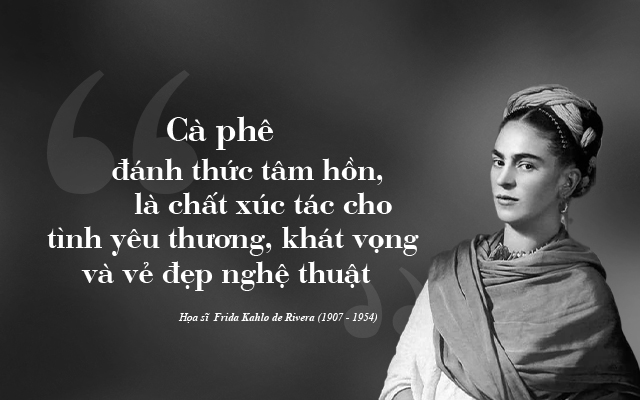
Coffee awakens the soul, serving as a catalyst for love, aspiration, and artistic beauty – Painter Frida Kahlo de Rivera (1907–1954)
Fashion – A Symbol of Lifestyle and the Spirit of the Era
Accompanying the development of humanity, fashion, from primitive times to the present day, not only reflects aesthetic sensibilities and tailoring techniques but also expresses advancements in culture, ideology, social structures, and lifestyles of each era.
In its early days, fashion emerged as a means of survival while simultaneously showcasing humanity’s earliest expressions of beauty. Notably, clothing became a marker of social stratification, from identifying tribal leaders in primitive times to distinguishing nobles from commoners in ancient and feudal societies. Furthermore, fashion was not only tied to institutions but was also created in accordance with rituals, religions, and adapted to different spaces, times, and purposes.
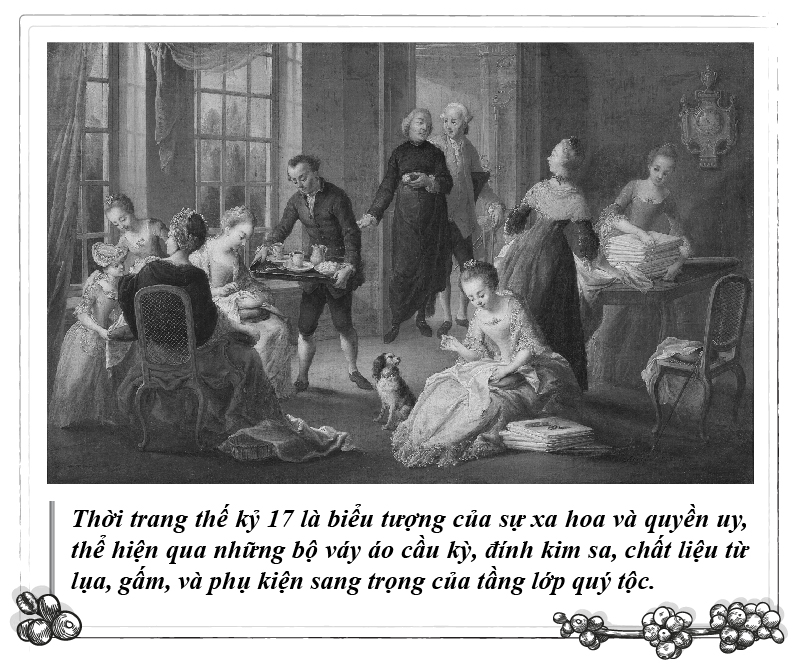
Fashion in the 17th century was a symbol of luxury and authority, reflected in elaborate garments adorned with sequins, made from silk and brocade, and paired with luxurious accessories of the noble class.
The Renaissance period (14th–17th centuries) marked the transition from the medieval era to modern times, characterized by humanity’s discoveries of new values in art, literature, and science. This era witnessed the rise of humanist thought, which placed human value at the center. Fashion was no longer merely an expression of outward luxury but became a fusion of intellect and artistic creativity. This laid the foundation for the 18th century, when fashion evolved toward elegance and refinement, reflecting a society that esteemed knowledge and individual values, aspiring to a meaningful life.
With the technological advancements of the Industrial Revolution in the 19th century, the fashion industry entered an era of mass production, making fashion accessible to the public. This period also witnessed the burgeoning spirit of individual freedom, heralding an age of innovation in thought and a “revolution of the soul,” where humanity sought to rediscover its essence and role within the worldview of the 20th century. As a result, fashion products began to reflect profound desires and heightened self-awareness, functioning as cultural symbols and sowing the seeds for a transformation in values and lifestyles.
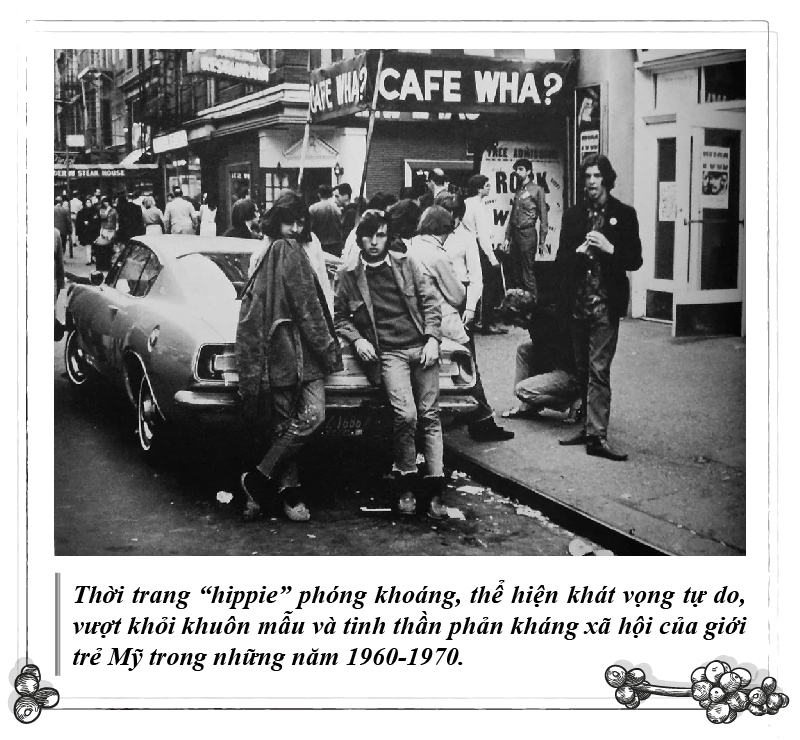
The free-spirited “hippie” fashion of the 1960s–1970s embodied the yearning for freedom, breaking away from conventions, and the countercultural spirit of American youth during that era.
New fashion movements and styles quickly emerged as a means of expressing the desire for freedom and social critique, not only reflecting the era but also helping to “create the era.” From the free-spirited and unconventional “hippie” movement of the 1960s and 1970s to the “streetwear” style that reflects street culture and resonates with urban youth, fashion has demonstrated a distinct role as a statement of personal identity.
Coffeehouses – Spaces That Foster Aesthetic Thinking and Contemporary Lifestyles
In the 17th and 18th centuries, coffeehouses spread across Europe, quickly becoming cultural spaces distinct from their urban environments. More than just places to enjoy a cup of coffee, coffeehouses were seen as powerful symbols of cultural vibrancy within cities. Their openness to all people and the freedom to debate new ideas created spaces of creativity, fostering the emergence and dissemination of new artistic forms. These spaces played a crucial role in advancing the aesthetic thinking and innovation of the era.
By the 19th century, coffeehouses had become the cradle for the birth, growth, and development of Modernism, the Harlem Renaissance, and other bold cultural and artistic movements. In addition, the attire and demeanor of coffeehouse patrons, along with fashion shows held within these venues, nurtured a spirit of liberation and contributed to shaping contemporary lifestyles.
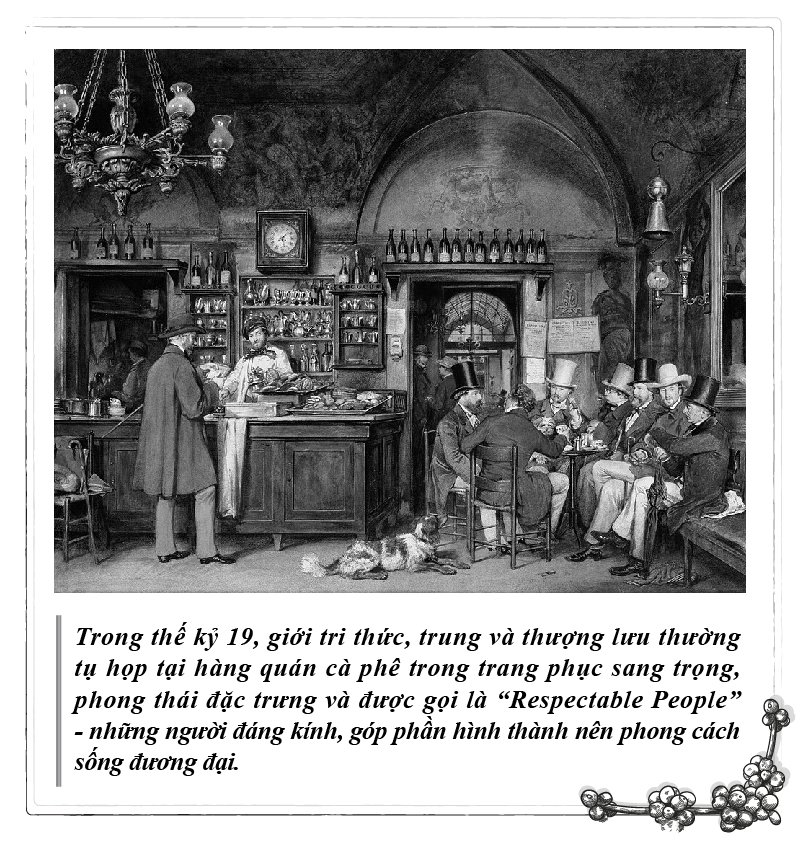
In the 19th century, intellectuals, as well as members of the middle and upper classes, often gathered at coffeehouses dressed in elegant attire and displaying distinctive manners, earning them the title of “Respectable People.” This contributed to the shaping of contemporary lifestyles.
At the “salon de café” in cities such as Paris, Vienna, and London, intellectuals and aristocrats would gather to enjoy coffee in luxurious clothing, including velvet cloaks, fur hats, and leather gloves. Iconic locations like Café Procope (established in 1686, Paris) became meeting points for great thinkers such as Voltaire and Rousseau, while Caffè Florian (established in 1720, Venice) hosted notable aristocrats and intellectuals like playwright Carlo Goldoni, writer Goethe, and Casanova. The term “Respectable People” became a common way to refer to coffeehouse patrons of that era.
By the late 20th century, coffeehouses in places like Yorkville, Toronto, had become vibrant hubs for the hippie community. Poetry readings, live music performances, art exhibitions, and avant-garde fashion shows featuring flared pants and fringe tops were frequently held, reflecting the youth’s longing for freedom and individuality.
Infused with the spirit of life and brimming with human aspirations and dreams, coffeehouses became a powerful catalyst and source of inspiration for the modern fashion industry.
This connection was exemplified during Paris Fashion Week in 2015 when Chanel captivated fashion enthusiasts by transforming the opulent Grand Palais runway into a Parisian-style coffeehouse named “Brasserie Gabrielle.” Models dressed in soft tweed designs posed as café patrons, seated at tables like real customers. Fashion icons such as Cara Delevingne and Kendall Jenner were seen chatting at the bar, while Joan Smalls waited for her espresso, creating a chic and dynamic scene. This showcased the seamless and inspiring interplay between fashion and coffee culture.
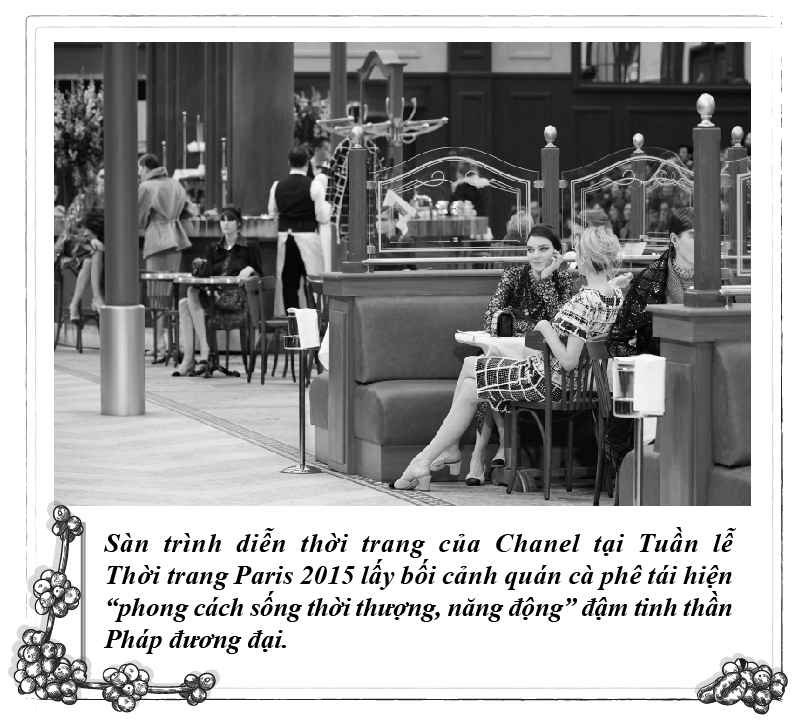
Chanel’s runway show at Paris Fashion Week 2015, set against the backdrop of a coffeehouse, vividly captured the “modern, dynamic lifestyle” infused with the spirit of contemporary French culture.
Today, major brands such as ELLE, Dior, Prada, and Dolce & Gabbana have established coffeehouses infused with their distinctive design identities across countries like France, the United States, Italy, Saudi Arabia, South Korea, Japan, and regions like the Middle East. These coffeehouses serve as a medium to convey fashion styles to art-savvy enthusiasts through the coffeehouse experience.
Throughout its evolution, fashion has embodied not only aesthetics but also the spirit of continuous innovation, reflecting the aspirations of its time. In this journey, coffeehouses have accompanied fashion in fostering creativity and delivering cultural and stylistic values to communities. Together, they have contributed to shaping a lifestyle that aspires to Truth, Goodness, and Beauty.
Readers are cordially invited to watch the series of The Tao of Coffee videos posted on https://bit.ly/caphetrietdao
Coming up: Coco Chanel and the Spirit of Modern Fashion Innovation