


Article 122: Coffee – Where beauty becomes a way of life
Coffee both shapes distinctive cultural identities within communities and reflects aesthetic values, philosophies of life, and the ways in which people express their ideas and aspirations for a better life.
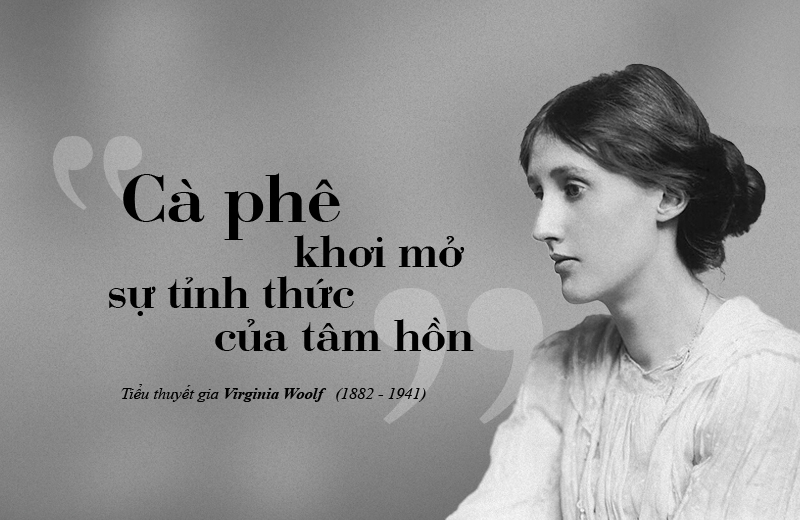
“Coffee awakens the soul.” – Novelist Virginia Woolf (1882–1941)
The Beauty of Order, Harmony, and Community Connection
Throughout the history of aesthetics, beauty has never existed as an isolated concept, but has always been closely connected with philosophy, religion, culture, and social life. From the 8th to the 15th centuries, as Islamic civilisation flourished, an aesthetic tradition emerged from the idea of the unity of the universe, closely connected with the Divine and with the ethical values of the community. Within this tradition, beauty was understood as an expression of order, balance, harmony, and reverence for the Divine. Beyond the architecture of mosques and the decorative arts, beauty in the Islamic world also permeated everyday life through the ways people organised spaces, observed rituals, and formed social relationships.
Flourishing from the 16th century onwards, Ottoman coffee culture came to hold an important place in society as a source of energy for spiritual connection and as a symbol of hospitality, respect, and social status. It helped translate and disseminate Islamic aesthetic principles into communal life. Through coffee utensils, rituals, and shared social spaces, the principles of Islamic aesthetics found expression in everyday practices and social customs. The appreciation of coffee gradually evolved into a cultural practice through which people could experience and embody beauty while cultivating their inner lives in pursuit of Truth – Goodness – Beauty.
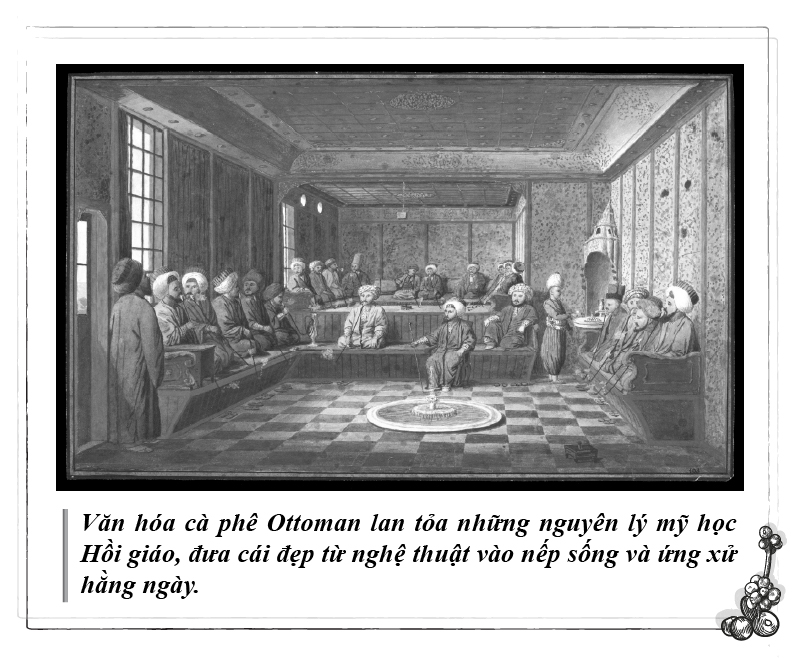
Ottoman coffee culture disseminated the principles of Islamic aesthetics, bringing beauty from the realm of art into everyday life and social conduct.
On the material level, the utensils used to prepare and appreciate Ottoman coffee – such as the cezve coffee pot, fincan cup, zarf holder, serving tray, coffee container, and mortar – served not only practical functions but also as objects of aesthetic appreciation, enabling people to experience beauty through craftsmanship and visual symbolism. The symmetrical geometric motifs, arabesque patterns, and calligraphy characteristic of Islamic art reflected an aesthetic ideal of order, rhythm, harmony, and balance.
At the same time, Islamic aesthetic principles were also embodied in the rituals of Ottoman coffee appreciation. Every stage – from roasting and grinding to brewing, serving, and drinking – emphasised discipline, restraint, and proper conduct. A cup of coffee was served with water to cleanse the palate, accompanied by lokum or dried fruit to complete the sensory experience. Coffee was savoured slowly, allowing drinkers both to appreciate its full flavour and to engage in conversation and hospitality, thereby expressing respect, graciousness, and regard for the dignity of those sharing the experience. Beauty, therefore, was found not only in form or taste, but also in the way people treated one another according to ethical principles.
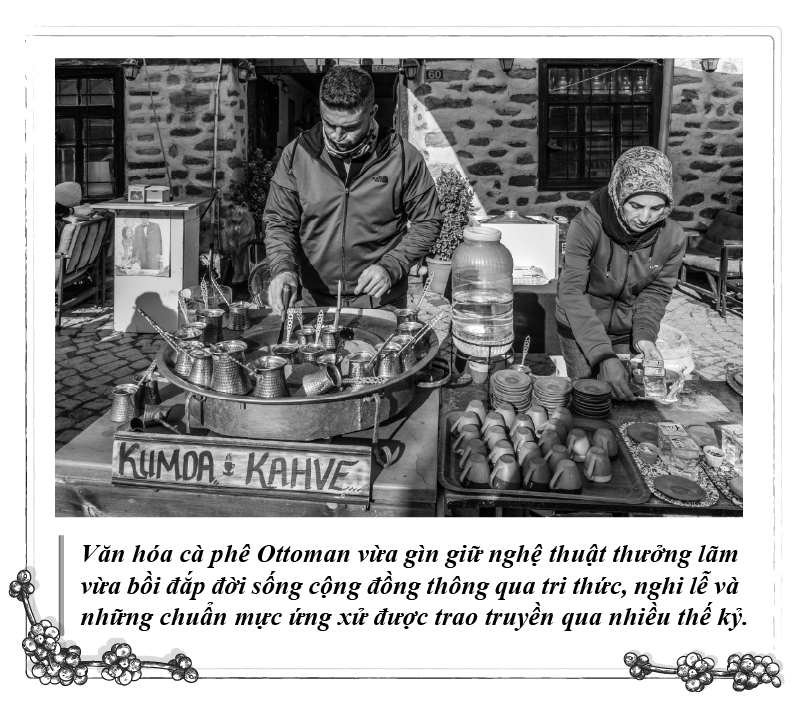
Ottoman coffee culture has both preserved the art of coffee appreciation and enriched communal life through knowledge, rituals, and codes of social conduct passed down over centuries.
In particular, Ottoman coffee was present across all spheres of life—from the imperial court to the home and the coffeehouse—creating social spaces in which beauty was practised through the relationships fostered around coffee. Within these spaces, the preparation and appreciation of coffee became a social ritual through which people met, conversed, formed relationships, and shared values of propriety, honour, refinement, hospitality, and social connection. Often described as Mekteb-i ‘irfan—a “school of knowledge”—Ottoman coffeehouses were places where people gathered to converse, play games such as chess, enjoy music, and discuss matters of society, fostering a culture of dialogue and the circulation of knowledge. In this way, beauty extended beyond aesthetic appreciation to become a social value embedded in communal life.
Ottoman coffee culture can thus be seen as a vivid expression of Islamic aesthetics in social life, transforming beauty into a way of living and a code of conduct that helped underpin a humane social order. In 2013, UNESCO inscribed Turkish Coffee Culture and Tradition on the Representative List of the Intangible Cultural Heritage of Humanity, further affirming the value of Ottoman coffee culture as a living heritage preserved and transmitted across generations, guiding people towards harmony, mindfulness, and the cultivation of human dignity.
The Beauty of Reason and the Aspiration to Create
While in medieval aesthetics beauty was often understood as a reflection of divine truth and sacred order, during the Enlightenment it increasingly came to be understood in relation to human cognition, functionality, technological progress, and the capacity to transform life.
Against this backdrop, as coffee was introduced to Europe and flourished across the continent in the 17th and 18th centuries, it became not only a beverage associated with wakefulness and intellectual alertness, but also a medium through which aesthetic thought was expressed and Western social life was organised.
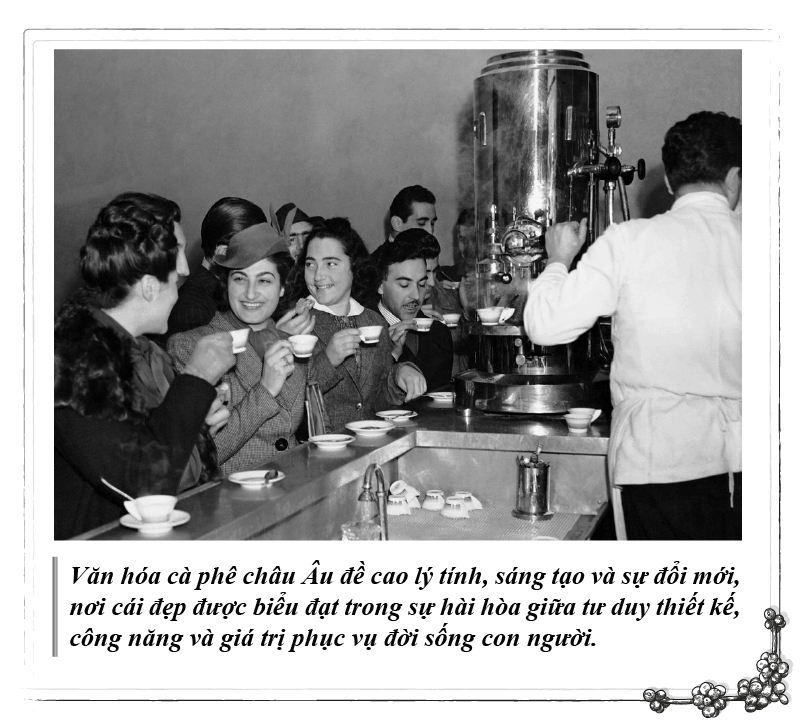
European coffee culture celebrates reason, creativity, and innovation, with beauty expressed through the harmony of design thinking, functionality, and values that enrich human life.
From the 17th century onwards, European coffeehouses played an important role as centres of public intellectual life, bringing together people from across social classes and fields to meet, exchange news, and discuss social issues. In London, coffeehouses became known as “Penny Universities”, where anyone could enjoy a cup of coffee while exchanging ideas and gaining access to information and knowledge. Café Procope in Paris became a meeting place for prominent Enlightenment thinkers such as Voltaire, Rousseau, and Diderot. In Vienna, meanwhile, coffeehouses became closely intertwined with the city’s musical, literary, and journalistic life. In this way, the beauty of European coffee culture was expressed through its capacity to foster a new form of intellectual and social life, in which dialogue, knowledge, and freedom of thought became core aesthetic and social values.
In particular, the spirit of rationalism and the aspiration for creativity within Western aesthetics drove continuous innovation in the design and manufacture of coffee-making tools and equipment. From coffee pots crafted in copper, silver, and pewter to inventions such as the biggin coffee pot in the late 18th century, the siphon in the 19th century, the percolator, and devices employing pressure and steam, these innovations enabled greater control over temperature, pressure, brewing time, and coffee extraction. Most notably, the emergence of the espresso machine in the early 20th century transformed coffee into a product defined by speed, efficiency, and precision. A “beautiful” cup of coffee now came to embody precision in process and harmony between design and function, as well as between sensory experience and scientific knowledge. This evolution also reflected the human aspiration to apply knowledge to transform everyday life and expand the possibilities of creativity.
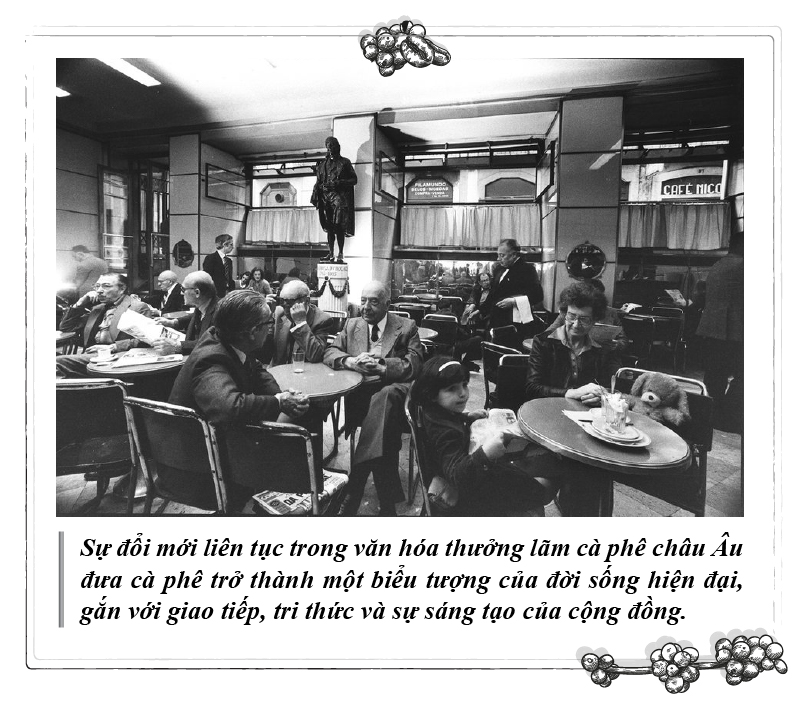
Continuous innovation in European coffee culture has transformed coffee into a symbol of modern life, closely associated with social interaction, knowledge, and collective creativity.
In 1933, the Moka Express, introduced by Alfonso Bialetti, demonstrated the integration of industrial aesthetics, functionality, and mass accessibility. With its octagonal cast-aluminium body, ease of use, and steam-pressure brewing principle, the Moka Express brought an espresso-style coffee experience into the home, broadening the participation of women and people across different social groups in the preparation and appreciation of coffee.
After the Second World War, the growing popularity of instant coffee further accelerated this democratisation, bringing coffee into new settings such as offices, factories, and outdoor environments. Coffee was no longer simply an object of appreciation; it became a symbol of the pace of modern life, reflecting the growing desire for efficiency and for more personalised forms of intellectual, emotional, and aesthetic experience.

Thiền (Meditation) Coffee Civilisation embodies Eastern philosophy, guiding humanity towards mindfulness, holistic prosperity, and a compassionate, humanistic way of life grounded in the values of Truth – Goodness – Beauty.
Driven by its passion for coffee, Trung Nguyên Legend Group has come to recognise that coffee originated and evolved through a journey from East to West before returning to its roots in search of the values of Eastern civilisation. Trung Nguyên Legend has distilled the world’s coffee heritage into three coffee civilisations – Ottoman, Roman, and Thiền (Meditation) – offering a comprehensive perspective on the value and significance of coffee in the life of humanity.
From the beauty of Ottoman Coffee Civilisation – shaped by order, harmony, reverence, and community connection – to Roman Coffee Civilisation, characterised by the beauty of reason, functionality, and the aspiration to create, coffee ultimately returns to Thiền (Meditation) Coffee Civilisation, where each mindful drop embodies the philosophy of pausing and reflection inherent in Vietnamese phin coffee.
In this spirit, the specialised tools and utensils of Thiền (Meditation) Coffee Civilisation are designed not merely for preparing and appreciating coffee, but also to inspire a mindful, compassionate, and humanistic way of life. From the phin filter, stove, kettle and candle set, spoons and brewing cloths to the coffee cups and serving trays, each element is crafted from traditional and natural materials such as aluminium, ceramics, porcelain, silk, and bamboo. A palette of black and white is combined with forms inspired by Vietnamese cultural symbols, including bronze drums and bamboo stems. Together, these elements express a sense of responsibility through a harmonious and sustainable relationship with nature, while bringing Vietnamese cultural identity vividly into contemporary life. Most notably, the coffee appreciation set is adorned with five symbolic coffee beans representing the Five Elements, evoking the Eastern conception of the universe as a dynamic interplay of movement, mutual generation, and balance.
Every material, form, symbolic detail, arrangement, brewing rhythm, and the slow, contemplative manner of Thiền (Meditation) coffee appreciation comes together in a minimalist and harmonious whole imbued with the spirit of Eastern philosophy. It is an experience in which the principles of Harmony – Respect – Purity – Tranquility – Accountability – Nurturing are naturally practised, helping to cultivate a compassionate and humanistic way of life grounded in the values of Truth – Goodness – Beauty.
Coffee, therefore, has never been merely a beverage. It is a distinctive cultural experience through which people express their aesthetic ideals and aspirations to create a better life. Coffee has contributed, continues to contribute, and will continue to contribute to bringing beauty into everyday life, enabling each individual not only to appreciate it, but also to embody, transmit, and further create the values of Truth – Goodness – Beauty for themselves, their communities, and their time.
Coming next: Coffee – A Catalyst for Mathematical Thinking