


ARTICLE 117: COFFEE IN THE HISTORY OF GLOBAL TRADE
Coffee has been a pivotal force in transforming the economic landscapes of nations while also driving the expansion and evolution of the global trading system.
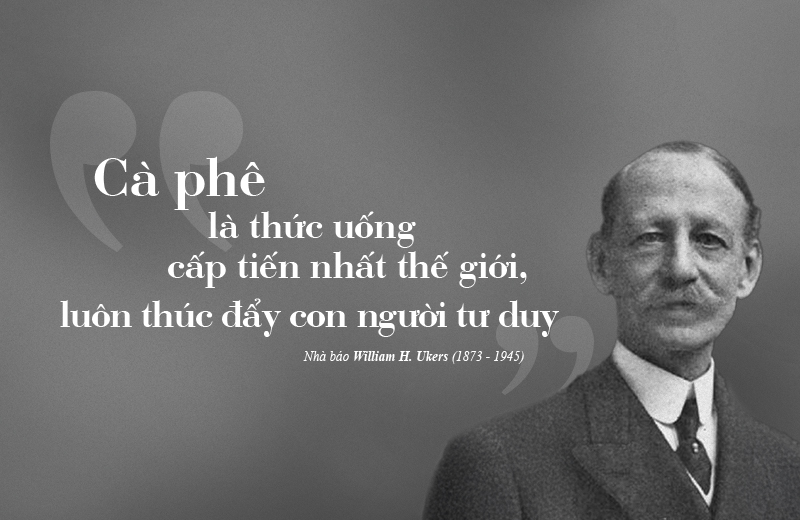
“Coffee is the most progressive beverage in the world, it continually inspires people to think.” — Journalist William H. Ukers (1873–1945)
Coffee Trade and the Transformation of National Economies
Global trade is a long historical process marked by the expansion of economic exchange among regions and nations — evolving from spontaneous barter systems into highly complex commercial networks shaped by political, economic, and technological forces. Its ultimate aim has been to promote growth, prosperity, and international cooperation. The history of global trade has unfolded through several major stages of development. In ancient times, the Silk Road connected Asia, Europe, and Africa, laying the foundations for the exchange of goods, culture, and knowledge across civilizations. During the medieval period, the rise of maritime trade further expanded intercontinental commerce, giving shape to the earliest forms of global markets. It was within this historical context that coffee emerged as a significant commodity — one that would go on to stimulate global commercial growth and elevate the economic standing of many nations.
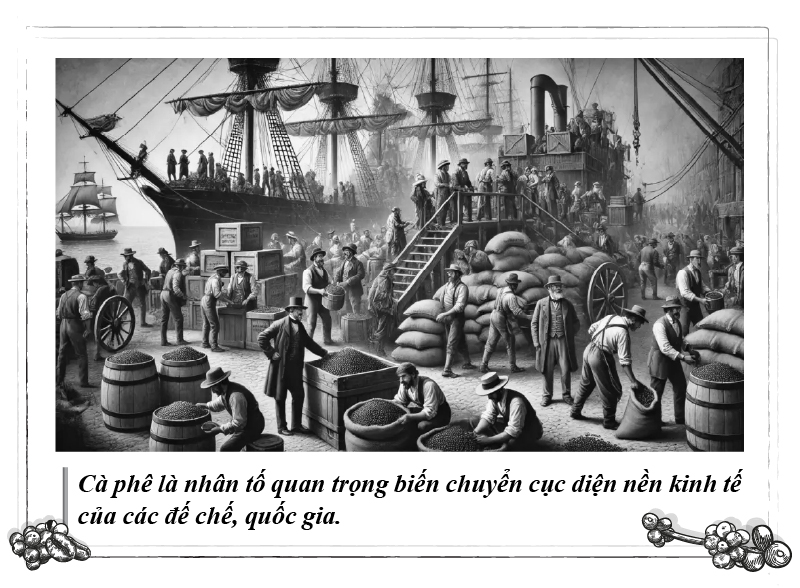
Coffee has been a crucial force in reshaping the economic fortunes of empires and nations.
By the 16th century, coffee had become deeply embedded in the cultural and social life of the Middle East and the Ottoman Empire. Coffeehouses in Istanbul and other major cities served not only as centers of intellectual exchange, but also helped establish a stable domestic coffee market, transforming coffee into a commodity of considerable economic value. Most notably, the Ottoman Empire regarded coffee as a prized commodity and a major source of wealth that contributed to the empire’s prosperity. As a result, the Ottomans tightly controlled strategic trade routes and sought to restrict the export of coffee beyond their sphere of influence.
By the 17th century, coffee had become a luxury commodity capable of generating enormous profits, prompting major powers such as England, France, and the Netherlands to compete fiercely for market dominance. The coffee trade consequently emerged as a key factor in determining the balance of economic power in Europe and became a strategic commodity in the rivalry among empires.
Major trading corporations such as the Dutch East India Company expanded maritime routes and established plantations across colonies stretching from Asia to the Americas in order to control coffee supplies and break the Ottoman monopoly. Supported by what was then the world’s most powerful maritime transportation network, the Netherlands rose to become the largest global supplier of coffee and dominated international shipping throughout the 17th century. This transformation not only spread coffee across the world, but also expanded cultivation regions, laying the foundation for the diversification of coffee cultures shaped by the distinct identities of different nations. Meanwhile, England and France developed export systems through their colonies in the Caribbean and the Americas, enabling them to gain control over both coffee supplies and global coffee markets during the 18th century.
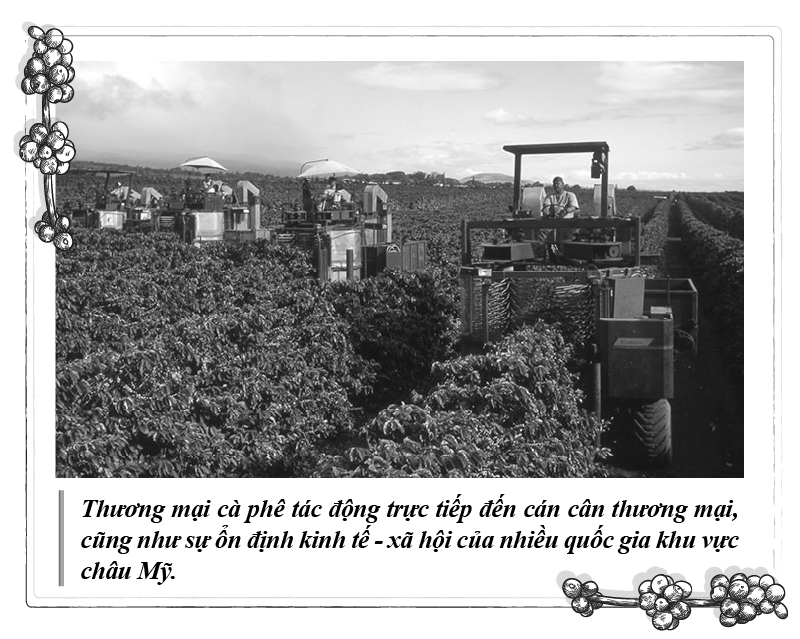
The coffee trade directly influenced trade balances as well as the economic and social stability of many nations across the Americas.
By the 19th century, the center of coffee power had shifted to producing nations in the Americas, most notably Brazil, Jamaica, and Colombia, where natural conditions proved ideal for coffee cultivation. Brazil emerged as the world’s leading coffee power, with coffee becoming the country’s principal source of foreign exchange revenue while also driving the development of transportation infrastructure, ports, and financial systems. To this day, coffee remains one of Brazil’s most valuable commodities and a major source of national income. Colombia, meanwhile, capitalized on its unique geography and climate to focus on high-quality Arabica coffee. The country successfully transformed coffee into a national heritage associated with quality and consistency, enabling it to expand its markets across Europe and North America.
Most notably, the coffee trade in the Americas not only shaped export-driven economic development models, but also profoundly influenced social structures, labor systems, and the distribution of economic power. Coffee significantly altered trade balances, positioning coffee-producing nations as central links within the global supply chain.
Coffee’s Strategic Role in the Global Trading System
Before coffee became commercialized, global trade largely revolved around spices, silk, and handicrafts. The emergence of coffee ushered in a new era of international commerce. From a simple agricultural crop, coffee evolved into a transcontinental commodity circulated through vast supply chains, intensifying competition among empires and ultimately becoming a strategic product that helped shape economic balances and power structures within global trade.
With its widespread popularity, coffee gave rise to a global market supported by complex supply chains that connected developing economies with industrialized nations. The coffee trade extended far beyond agriculture, influencing numerous other sectors including transportation, food processing, agricultural machinery, finance, and tourism. In today’s global trading system, coffee has far surpassed its role as a mere agricultural commodity to become a strategic asset closely intertwined with economic mechanisms, financial systems, and emerging trends in sustainable development.
Coffee trade is heavily influenced by international commodity exchanges, where coffee prices are governed by the dynamics of supply and demand, speculation, and capital accumulation. This mechanism makes coffee prices highly volatile, directly affecting income levels, economic growth, and macroeconomic stability in countries heavily dependent on coffee exports. Throughout the history of global trade, numerous intergovernmental interventions have been implemented to stabilize the international coffee market amid the fluctuations of the global economy. In 1940, the United States and several Latin American countries reached an agreement to allocate export quotas in order to stabilize market share and prices. Later, in 1962, coffee-producing and coffee-consuming nations signed the International Coffee Agreement, which continued the quota system and sought to maintain stability in global coffee prices.
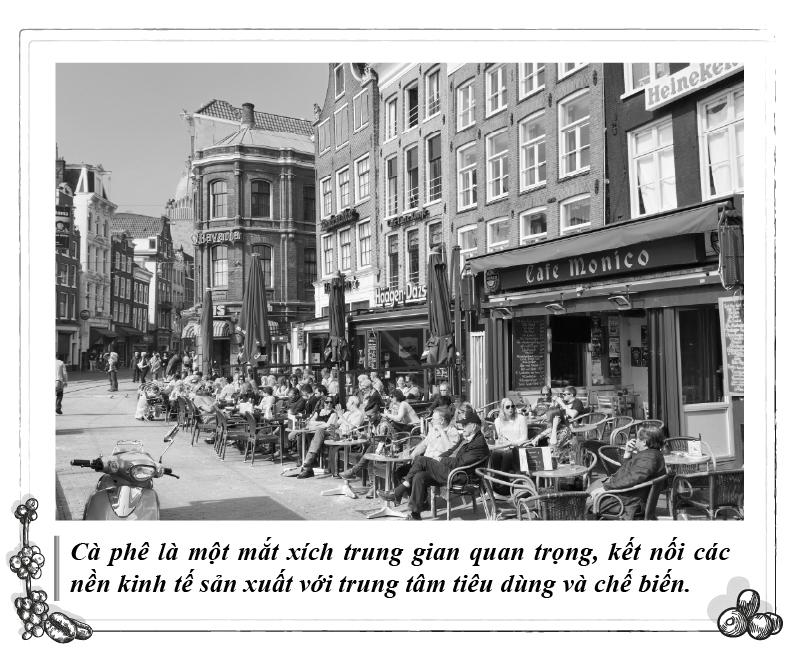
Coffee serves as a vital intermediary link connecting producing economies with centers of consumption and processing.
At the same time, coffee has acted as a catalyst in the restructuring of global trade by driving the development of commercial and financial infrastructure, while expanding the use of futures contracts, risk-hedging instruments, and derivative markets. Coffee prices have consequently become important economic signals, influencing capital flows, trade policies, and national development strategies.
Today, amid a globalized economy shaped by the expansion of free trade agreements and the growing emphasis on sustainable development, the coffee trade reflects a broader transition from the export of raw agricultural commodities toward more balanced value chains grounded in social responsibility, environmental protection, and conscious consumption. Requirements related to traceability, environmental and social certifications, labor standards, and corporate social responsibility have increasingly become essential conditions in international coffee trade transactions.
Major coffee-producing powers such as Brazil, Vietnam, Colombia, and Jamaica have implemented a wide range of strategies to enhance the added value of their coffee industries — from improving cultivation techniques and adapting to climate change to developing strong national coffee brands. Alongside these national policies and strategies, numerous international conferences and forums dedicated to sustainable coffee development have also been organized. Prominent examples include conferences hosted by the International Coffee Organization, the Global Coffee Forum, and the Sustainable Coffee Conference. Most notably, models such as fair trade, specialty coffee, and geographical indication development are receiving increasing emphasis — not only to improve livelihoods for coffee producers, but also to restructure the global coffee value chain toward greater balance and sustainability.
Most notably, coffee’s role in global trade is being redefined under the influence of the knowledge economy and the growing movement toward sustainable consumption. Coffee is no longer valued solely on the basis of output volume or physical quality; it is increasingly associated with intangible factors such as origin stories, cultural identity, indigenous knowledge, and brand value. This transformation is elevating coffee from a mass-market commodity into a knowledge-based product with high added value. In turn, it reflects broader shifts in consumer preferences as well as the evolving structure of global trade itself.

“Dak Lak Coffee Cultivation and Processing Knowledge” has been officially recognized as a National Intangible Cultural Heritage, further enhancing the value and global reputation of Vietnamese coffee within the international coffee value chain.
In Vietnam, coffee is increasingly being positioned as a living intangible cultural heritage with global significance and contributions to sustainable development. Most notably, “Dak Lak Coffee Cultivation and Processing Knowledge” has been officially recognized as a National Intangible Cultural Heritage and is now being prepared for nomination to UNESCO’s Register of Good Safeguarding Practices for the Intangible Cultural Heritage of Humanity.
Numerous experts, organizations, and businesses have joined hands with local authorities in enriching the identity of Vietnamese coffee while opening new pathways of knowledge and coffee philosophy, gradually strengthening Vietnam’s position within the global coffee value chain. Among these efforts, Trung Nguyên Legend has played a prominent role through its different – special energy coffee products, as well as its unique café models and projects that integrate diverse coffee appreciation styles with cultural and philosophical dimensions of coffee. Through these initiatives, Trung Nguyên Legend has contributed significantly to the strong development of Vietnam’s coffee industry, helping elevate Vietnamese coffee into a global symbol of sustainability and national identity.
From a traditional agricultural crop, coffee has evolved into a strategic commodity within global agricultural trade. Beyond its vital role in improving livelihoods and driving national economic growth, coffee is increasingly helping shape sustainable development trends, value-chain structures, and commercial standards amid the profound transformations of the global economy.
Coming Next: Orientalism in the History of Coffee