


ARTICLE 109: COFFEE AND MARTIAL ARTS IN THE JOURNEY OF CULTIVATING BODY, MIND, AND SPIRIT
The synergy between coffee and martial arts empowers individuals to strengthen their willpower, enhance physical fitness, cultivate the mind, and embrace a lifestyle aligned with the values of Truth, Goodness, and Beauty.
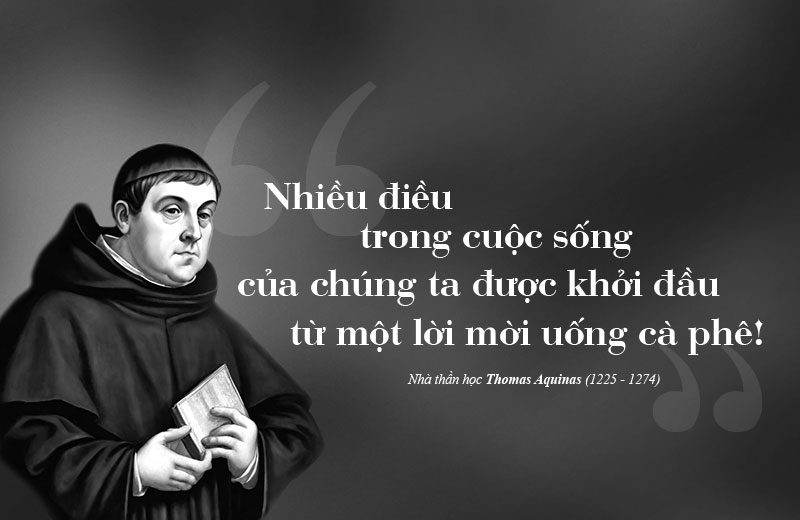
Many things in our lives begin with an invitation to have coffee! – Theologian Thomas Aquinas (1225–1274)
Martial Arts – The Path to Cultivating Body and Mind
Martial arts trace their origins to ancient civilizations such as Egypt, India, Greece, and China, evolving continuously from primitive forms of self-defense to complex, organized systems. While the purpose of each martial art system varies depending on the social characteristics of the culture and historical period in which it developed, they all share a common spiritual goal: to nurture and train oneself, cultivate morality, and strive toward the values of Truth, Goodness, and Beauty in life.
Notably, throughout its development, martial arts have maintained a profound connection with philosophy. Although martial arts focus on practice and discipline, while philosophy primarily explores theoretical questions, both aim to foster holistic human development, helping individuals understand themselves, society, and the surrounding world. Many martial art systems have been influenced by philosophical traditions such as Taoism, Buddhism, Confucianism, and Stoicism.
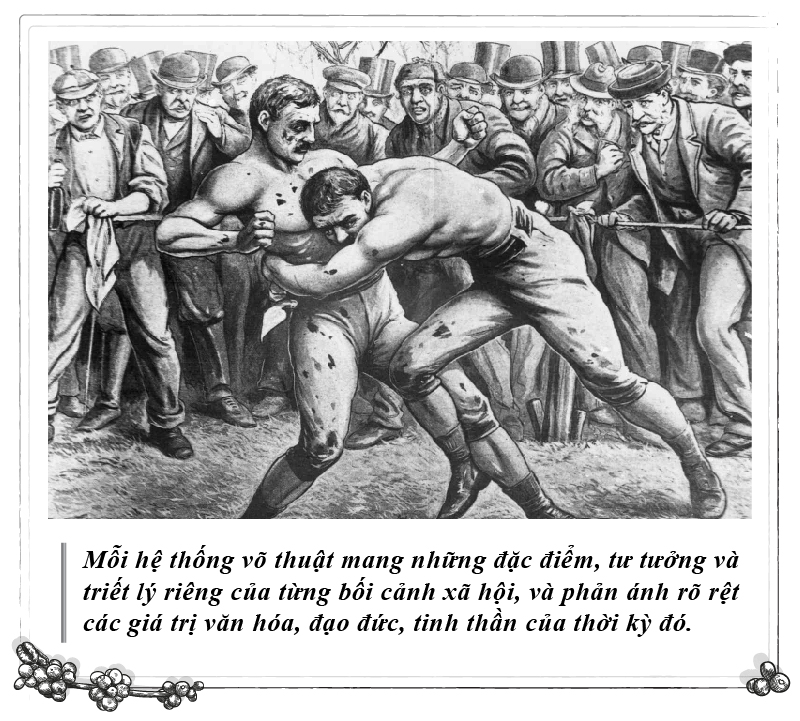
Each martial art system carries its own unique characteristics, ideas, and philosophies shaped by its social context, vividly reflecting the cultural, ethical, and spiritual values of its era.
In Eastern martial arts systems, Aikido (Japan), often translated as “the way of harmonious spirit,” is rooted in the philosophy of nonviolence and harmony, and is regarded as a martial art dedicated to peace. Founded and developed by Ueshiba Morihei (1883–1969), Aikido represents a synthesis of his studies in martial arts, philosophy, and religious beliefs. The philosophy of Aikido emphasizes not only self-defense but also the maintenance of peace and avoiding harm to others.
Traditional Chinese martial arts and Bushidō (the ethical code followed by samurai in medieval Japan) place significant emphasis on values such as honesty, honor, perseverance, and respect. These are also key elements discussed in the ethical philosophy of Aristotle and Confucianism.
In the West, the ancient Greek philosopher Plato believed that physical training was essential for the holistic development of an individual. Roman Stoic philosopher Seneca also stressed the importance of self-control and discipline, both of which are fundamental to martial arts practice. Accordingly, many Western martial arts systems focus on cultivating physical and mental discipline, concentration, self-awareness, and virtues such as courage, perseverance, humility, and respect. In Brazil, Brazilian Jiu-Jitsu was developed based on the principles of leverage and technique, emphasizing the use of skill to overcome larger and stronger opponents.
Martial arts are also seen as a method for balancing the mind and body. Disciplines such as Tai Chi, Aikido, Judo, Karate, Capoeira, Kendo, and others focus on harmonizing body and mind, fostering tranquility and emotional control, and ultimately achieving inner peace and heightened concentration.
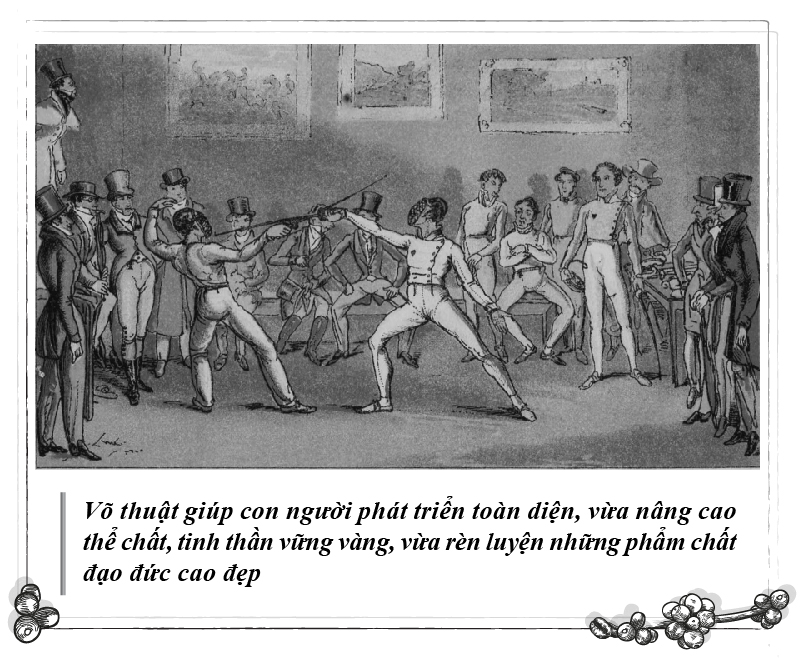
Martial arts help individuals achieve holistic development by enhancing physical fitness, fostering mental resilience, and cultivating noble moral qualities.
Coffee and Martial Arts – A Synergy Leading to a New Way of Life
When it first emerged, coffee was regarded as an herbal remedy that healed wounds and revitalized the body. In Eastern philosophy, coffee is seen as a precious source of energy that balances yin and yang, harmonizing the human body with the earth, sky, and nature. This balance enhances health, refreshes the spirit, and dispels fatigue. Modern Western science also confirms that the active compounds in coffee improve endurance, alertness, and concentration. Notably, coffee’s qualities of awakening, connecting, and stimulating creativity, along with the social atmosphere of coffee shops, have left a profound impact on all areas of human life.
Possessing unique physical, spiritual, and social values, coffee shares a remarkable resonance with the philosophical system of martial arts. Beyond enhancing health, strengthening willpower, and cultivating human qualities, coffee and martial arts guide individuals toward mindfulness, self-reflection, and personal growth, inspiring them to contribute to societal progress and advancement.
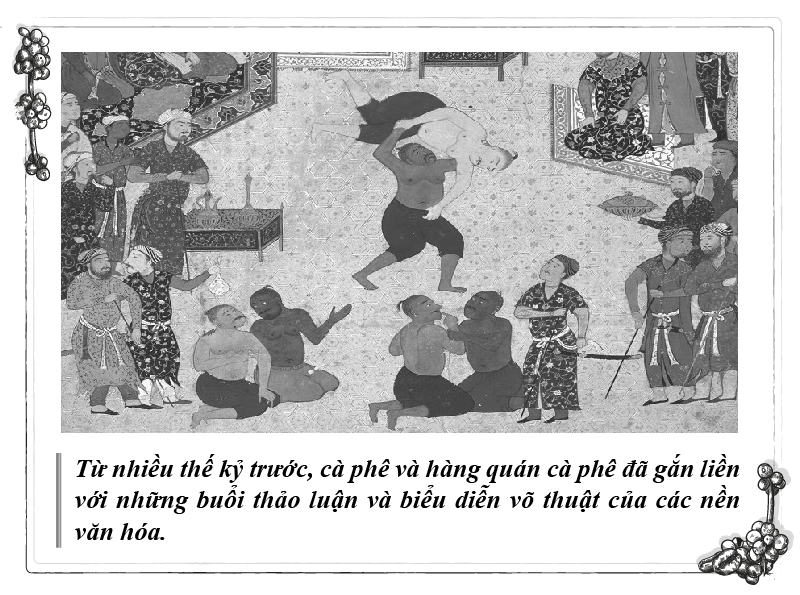
For centuries, coffee and coffeehouses have been closely associated with discussions and martial arts demonstrations in various cultures.
For centuries, coffee has naturally become a favorite beverage among martial artists from the West to the East, with coffeehouses serving as significant spaces that played a key role in the development of martial arts systems.
In Europe, the late 19th century marked the beginning of martial arts history as modern sports evolved from earlier traditional systems like boxing, wrestling, and fencing. During this period, European coffeehouses provided crucial spaces for interaction, training in techniques, developing training plans, and sharing experiences among martial arts clubs and communities, helping to preserve and advance traditional martial arts. Some coffeehouses became hubs for discussions, exchanges, and competitions among martial artists, such as Café Gradot (France), The Coffee Academy (London), and Café Fencing (Berlin). Café Conti, for instance, was a regular meeting spot for renowned British fencing master Henry Charles William Angelo (1756–1835) during his time in Paris from 1772 to 1775.
Starting in the 20th century, the combination of coffeehouses and martial arts clubs became increasingly popular, creating a supportive environment for martial arts enthusiasts to build professional training communities. Over cups of coffee, martial artists could discuss techniques, philosophies, and martial ethics. Notable examples include Fighter’s Grind Café in New York, a coffeehouse dedicated to Mixed Martial Arts (MMA) and Kickboxing communities; Café de la Lucha in Mexico, a popular gathering spot for Lucha Libre wrestlers and fans; and Café du Jiu Jitsu in Paris, a prominent café within the Brazilian Jiu-Jitsu (BJJ) community.
The intellectual energy boost provided by coffee also acts as a catalyst for martial artists, inspiring creativity and the development of new techniques, further advancing the evolution of martial arts systems. Jonathan Di Bella, the ONE Championship Strawweight Kickboxing World Champion, shared his love for coffee, stating that he started drinking it at the age of six and that coffee helps him handle the heavy workload and intense daily training regimen. Similarly, Marcelo Garcia, one of the most famous and influential figures in modern Brazilian Jiu-Jitsu, has openly expressed his love for coffee in interviews. Coffee keeps him alert and energized for both training and competition, while also fueling his contributions to the development of BJJ techniques.
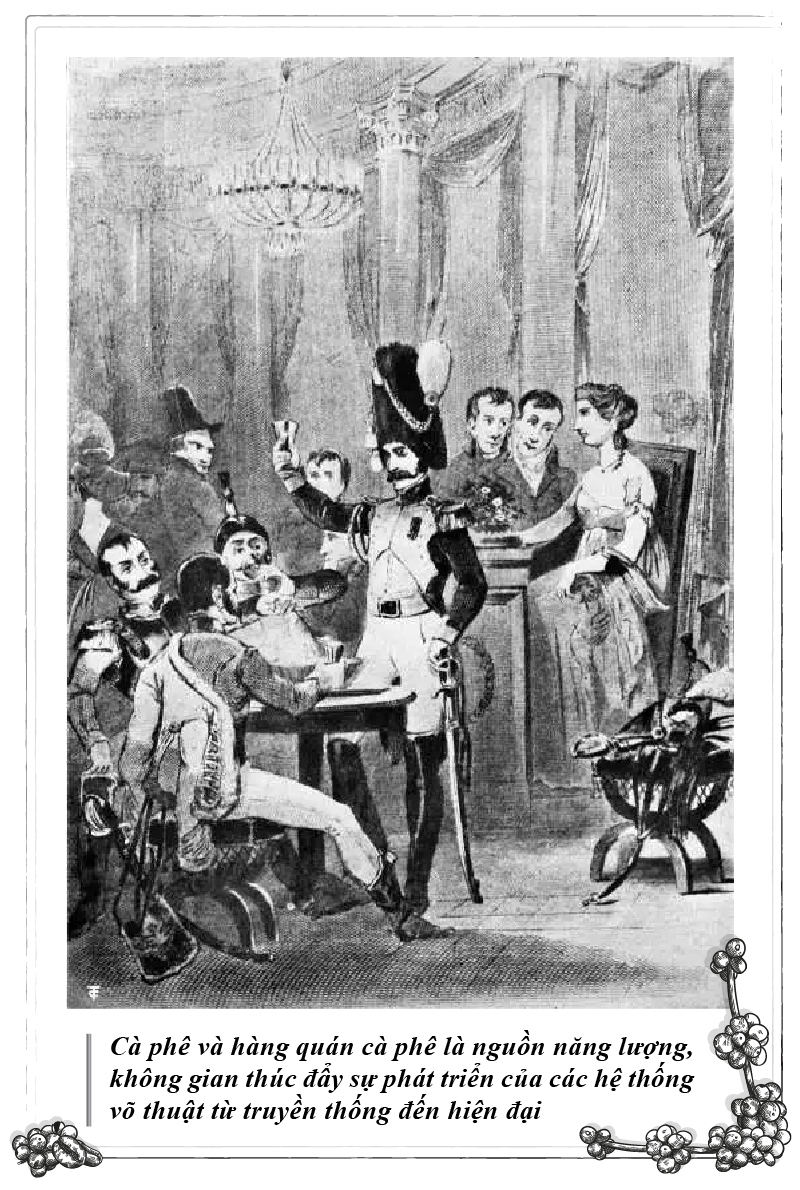
Coffee and coffeehouses serve as a source of energy and a space that drives the development of martial arts systems, from traditional to modern.
In particular, with love and passion for coffee, Trung Nguyên Legend Group has researched and created Coffee Meditation, a practice that shapes a new lifestyle known as the Coffee Lifestyle, harmoniously combining stillness and movement, blending the spirit of martial arts with the spirit of coffee. Among them, Dynamic Meditation, one of the two components of Coffee Meditation, adheres to the value system of Harmony – Respect – Purity – Serenity – Accountability and Nurturing. It is the refined fusion of universal energy practices such as Yoga, Tai Chi, Wing Chun, Reiki… Through mindful bodily movements and postures, Dynamic Meditation of Coffee Meditation helps individuals attract and regulate their own energy to harmonize with the universe and nature, awakening consciousness, self-regulating, improving physical and mental health, empathizing with all things, and building a new, positive, and energetic lifestyle. Meanwhile, Still Meditation, the other component of Coffee Meditation, with each drop of coffee carrying the philosophy of stepping back, provides moments of still contemplation with coffee, likened to a source of light guiding individuals toward awakening, to overcome challenges and operate life in a harmonious way inherent to the values of Truth – Goodness – Beauty.
As a source of energy that enhances physical and mental strength and contains profound philosophies, coffee and coffeehouses have accompanied martial artists for centuries. Furthermore, along the trajectory of human development, martial arts and coffee have become a part of cultural heritage, continuously evolving and adapting to the needs of society. The similarities and resonance between the spirit of coffee and the spirit of martial arts have guided people on a journey of self-cultivation, living in harmony with nature and community, and building an awakened, holistic lifestyle of Body – Heart – Mind.
Readers are cordially invited to watch the series of The Tao of Coffee videos posted on https://bit.ly/caphetrietdao
Coming up: Coffeehouses in the Development of the Fashion Industry