
ARTICLE 108: COFFEE – THE WARRIOR’S ENERGY
Coffee is a source of energy that sustains alertness, focus, and enhances both the physical and mental strength of warriors.
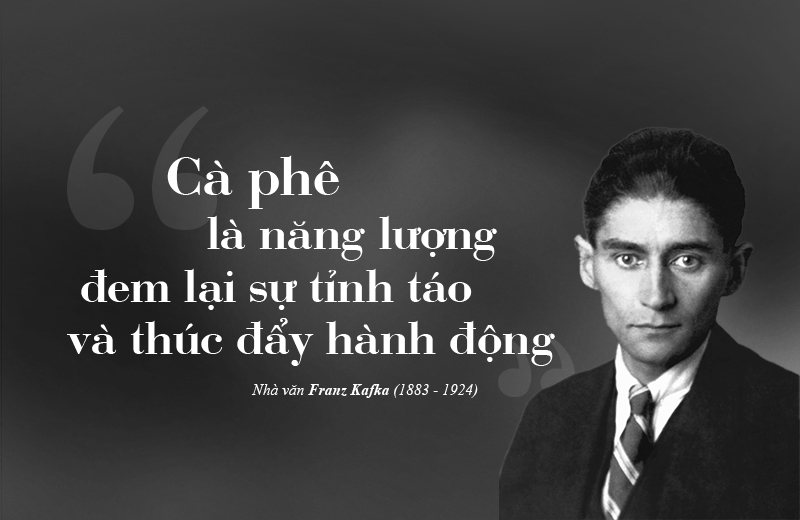
Coffee is the energy that brings alertness and drives action – Writer Franz Kafka (1883–1924)
Coffee Accompanies Warriors
Since its discovery in the 9th century and its rise to popularity, coffee has become an indispensable part of many cultures, holding a significant place in social life and accompanying the conquests of warriors.
For the Oromo people (the largest ethnic group in Ethiopia), coffee holds a crucial role. It is used in religious rituals, as food, beverages, and even as medicine for healing wounds. Notably, during territorial expansion campaigns, warrior tribes crushed ripe coffee berries and mixed them with animal fat to create an energy-sustaining food that helped warriors maintain their strength and morale.
For the Ottomans, coffee was also a vital part of military life. It served as an essential food source, keeping the warriors of the Ottoman Empire alert and energized for long marches and battles.
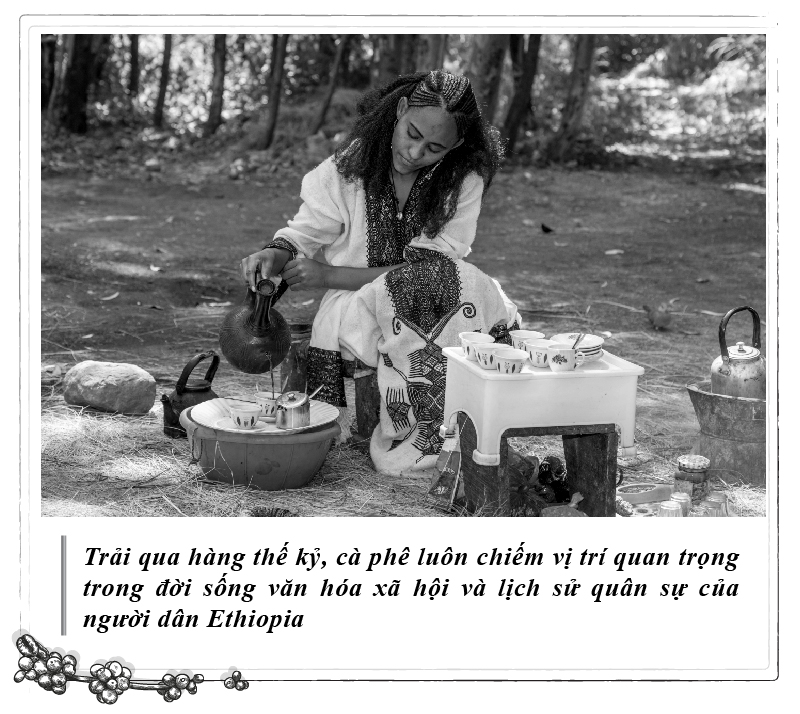
Through the centuries, coffee has always held a significant place in the cultural, social, and military history of the Ethiopian people.
By the 17th century, coffee had made its way to Europe and spread to America. It became a symbol of courage, resilience, and a strategic military commodity for national armies.
In Vienna, Austria, coffee arrived during a pivotal historical moment, linked to the warrior spirit of the “Hero of Vienna,” Jerzy Franciszek Kulczycki. Kulczycki played a critical role in the liberation of Vienna and was rewarded by the King of Poland, who allowed him to choose any war spoils. Remarkably, Kulczycki declined gold or precious items and instead requested the bags of coffee left behind by the Ottoman army. This act symbolized his bravery, unyielding spirit, and refusal to surrender to adversity. From that moment, coffee became a symbol of victory following the battle that marked the end of the 300-year conflict between the Holy Roman Empire and the Ottoman Empire.
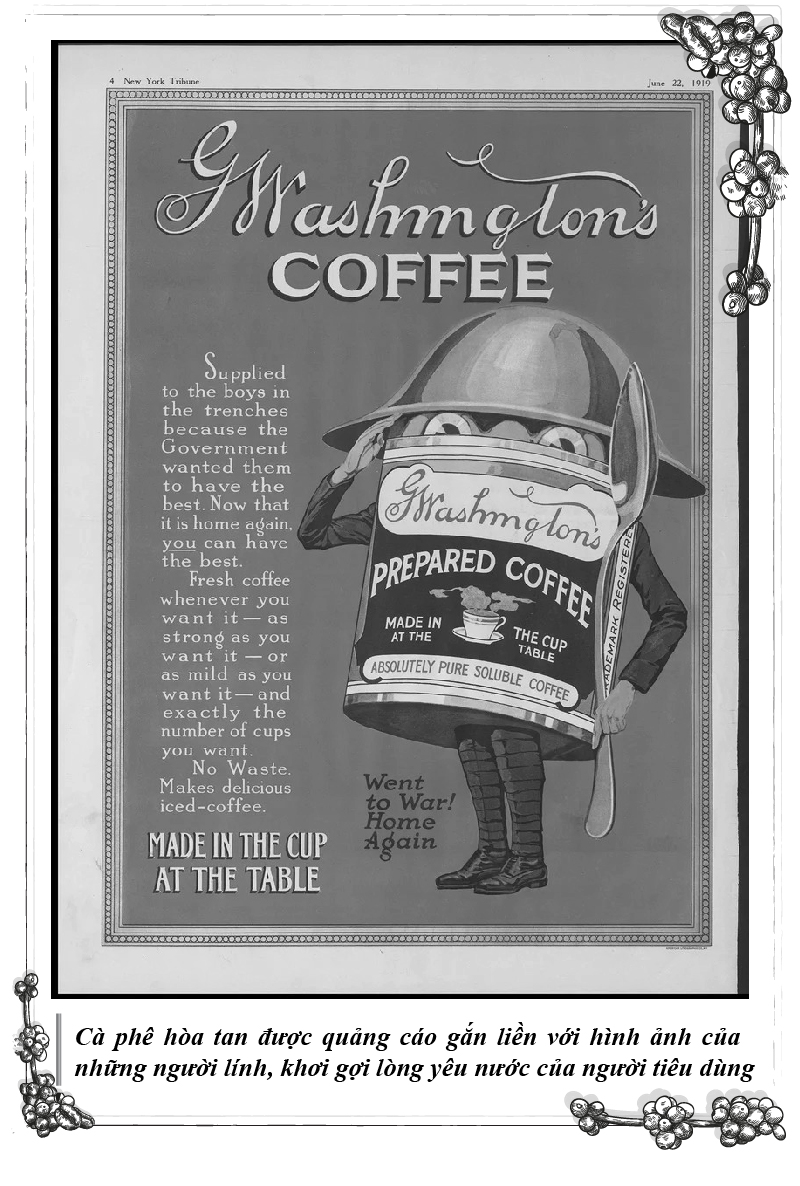
Meanwhile, in America, coffee emerged as a strategic military product. During World War I, the U.S. established roasting plants in France to ensure a fresh supply of coffee for the troops. Notably, after George Washington invented mass-produced instant coffee, the U.S. military purchased all the instant coffee it could, cementing its role as an essential resource for soldiers.
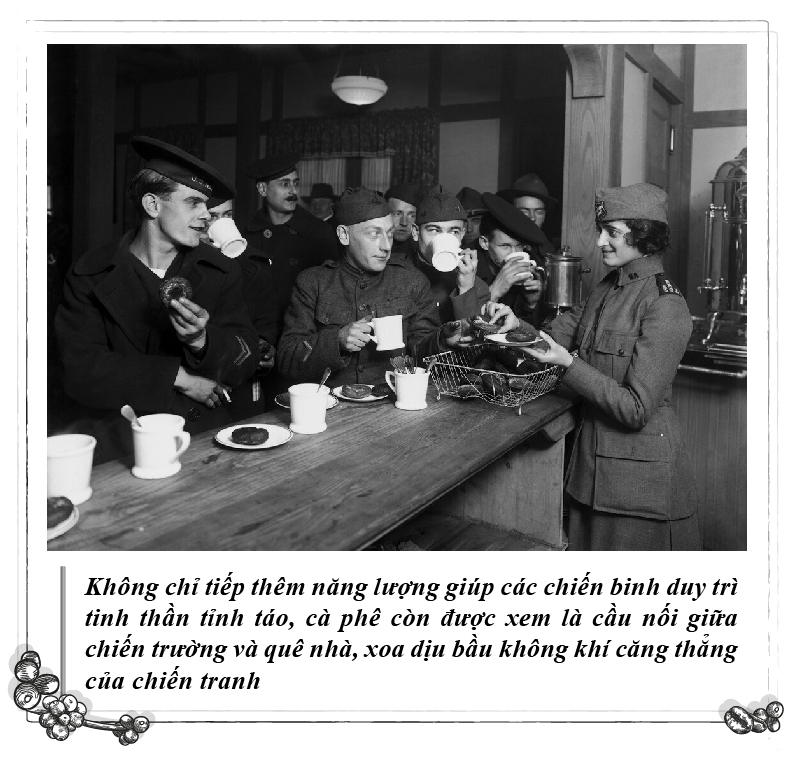
Not only does coffee provide energy to help warriors maintain alertness, but it is also seen as a bridge between the battlefield and home, soothing the tense atmosphere of war.
The caffeine content in coffee significantly enhances cognitive function and reaction speed. This led the U.S. military to regard coffee as being as essential as meat and bread, helping to “restore courage and strength” and “sustain the fighting spirit” of soldiers. Moreover, the flavor of coffee acts as a morale booster, providing encouragement and strength to overcome challenges while maintaining the resolve to fight.
Thus, the image of coffee has become intertwined with the symbol of courageous warriors. American coffee companies have used depictions of soldiers and their families in advertising campaigns for instant coffee, spreading messages of patriotism and unyielding determination. This helped make instant coffee increasingly popular in everyday life in the U.S., as a tribute to those who fought for the nation’s brighter future.
Today, coffee remains an essential part of the field rations of many national militaries, particularly among major global forces such as the U.S., Russia, France, the U.K., Switzerland, and Ukraine.
Coffee: The Energy Source of Warriors
Over 12 centuries and thousands of studies, scientists have uncovered why coffee has been the favorite drink of warriors—those who require continuous physical training, mental strength, and unwavering determination.
According to research by American physiologist Horatio Wood: “Caffeine not only enhances the strength of muscle contractions but also allows the body to perform more efficiently with the same energy expenditure.” Similarly, a study by the European Food Safety Authority (EFSA) concluded that there is a link between caffeine consumption and improved endurance performance and physical resilience during activity.
With caffeine as its primary ingredient, coffee serves as an energy source that boosts alertness, focus, reflexes, stamina, and reduces fatigue during training. For this reason, coffee is not only cherished by military warriors but also frequently included in the diets of fighters across various disciplines. Notable enthusiasts include MMA fighter Conor McGregor, Turkish wrestler Koca Yusuf (1857–1898), American wrestler Dwayne Johnson, and Swiss wrestler Claudio Castagnoli. Claudio Castagnoli once shared: “Coffee helps bring people closer together. That’s why I love going to coffee shops. And I look forward to a cup of coffee before my matches. It helps me stay calm, align everything, and live in the moment.”
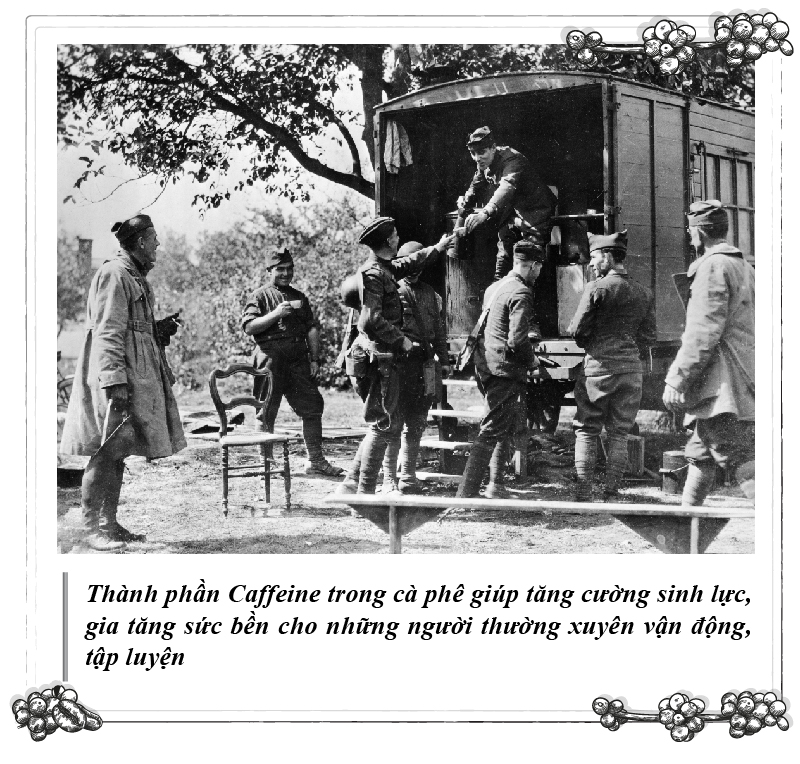
The caffeine in coffee helps boost energy and enhance endurance for those who engage in frequent physical activity and training.
The caffeine in coffee not only boosts physical strength and enhances health but also profoundly impacts the fighting spirit by increasing the production of dopamine and serotonin—two neurotransmitters associated with feelings of joy and satisfaction. Whether on the training ground or in the arena, coffee helps fighters overcome physical and mental limits, strengthen their resilience, and achieve their goals.
There is also a deep connection between coffee-rich cultures, such as Ethiopia, Turkey, and Brazil, and the development of famous traditional martial arts. Ethiopia is renowned for its traditional wrestling, Brazil for Capoeira (a martial art that combines dance and acrobatics), and Turkey for Yağlı Güreş (oil wrestling). Both Capoeira and Yağlı Güreş have been recognized by UNESCO as part of the Intangible Cultural Heritage of Humanity. Coffee’s energizing properties have contributed to the endurance, strength, and agility of people in these regions, shaping the unique characteristics of their traditional martial arts.
Moreover, countries like Turkey and Brazil have creatively integrated coffee culture with their traditional martial arts. In Turkey, former oil wrestlers founded the Pehlivanlar Café in Istanbul, blending their passion for oil wrestling with Turkish coffee culture. The café features schedules, stories of legendary wrestlers, and information about participants in wrestling events, becoming a gathering place for oil wrestling enthusiasts. Similarly, in Brazil, cafés like Café Capoeira and Batuque Café serve as hubs for Capoeira enthusiasts to connect, share knowledge, and organize Capoeira performances and events.
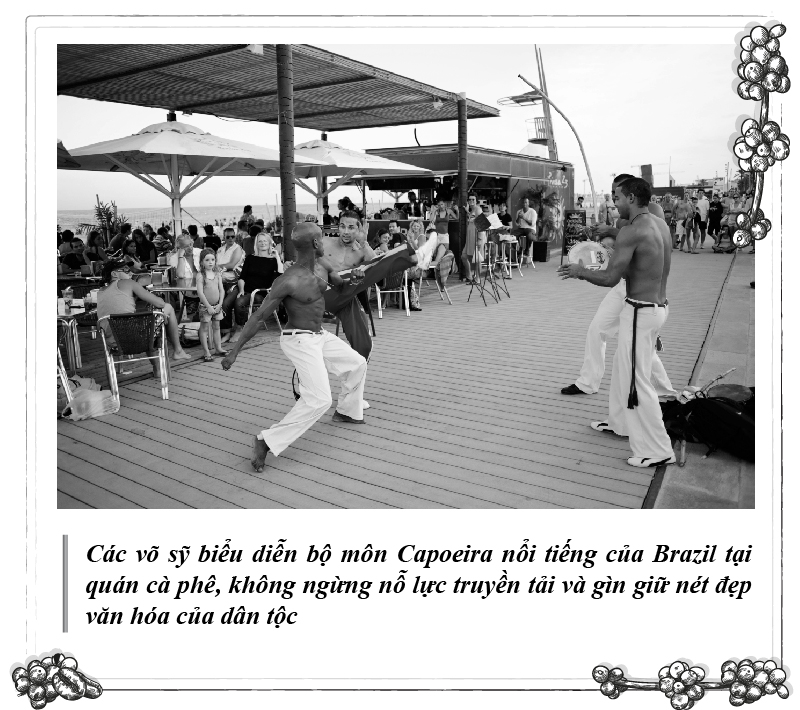
Capoeira performers in Brazil frequently showcase their art at cafés, tirelessly working to preserve and share the cultural beauty of their heritage.
Originating as a drink to awaken the senses, coffee has become a source of energy accompanying warriors on all fronts—from intellectuals immersed in research, to soldiers on the battlefield, and fighters in the arena. Coffee has empowered these warriors with physical strength, mental fortitude, and intellectual vigor, helping them face challenges, rise above adversity, and strive toward a brighter, more successful future.
Readers are cordially invited to watch the series of The Tao of Coffee videos posted on https://bit.ly/caphetrietdao
Coming up: Coffee and the Essence of Martial Arts