


Article 113: Ecological Agriculture in the Sustainable Development of the Global Coffee Industry
The ecological agriculture principles pioneered by scientist Ana Maria Primavesi in the 20th century have become the scientific foundation for the sustainable development of global coffee cultivation. Her work has helped advance coffee’s role as a vital contributor to humanity’s progress in the modern era.

Coffee reminds us each day of the bonds and mutual interdependence of all humankind. – African American civil rights leader Martin Luther King Jr. (1929–1968)
Ana Maria Primavesi – The Pioneer Who Revolutionized Ecological Agriculture Thinking
After World War II, the world faced a severe global food crisis, which became a top priority for many nations. This situation motivated scientists to develop high-yield, intensive crop varieties and introduce chemical fertilizers and pesticides to boost agricultural productivity—a period known as the “Green Revolution.”
However, the excessive growth driven by the Green Revolution led to chemically intensive agricultural ecosystems that disrupted natural ecological balance. Consequences such as soil degradation, pest outbreaks, and water pollution triggered a series of serious environmental, resource, and social crises.
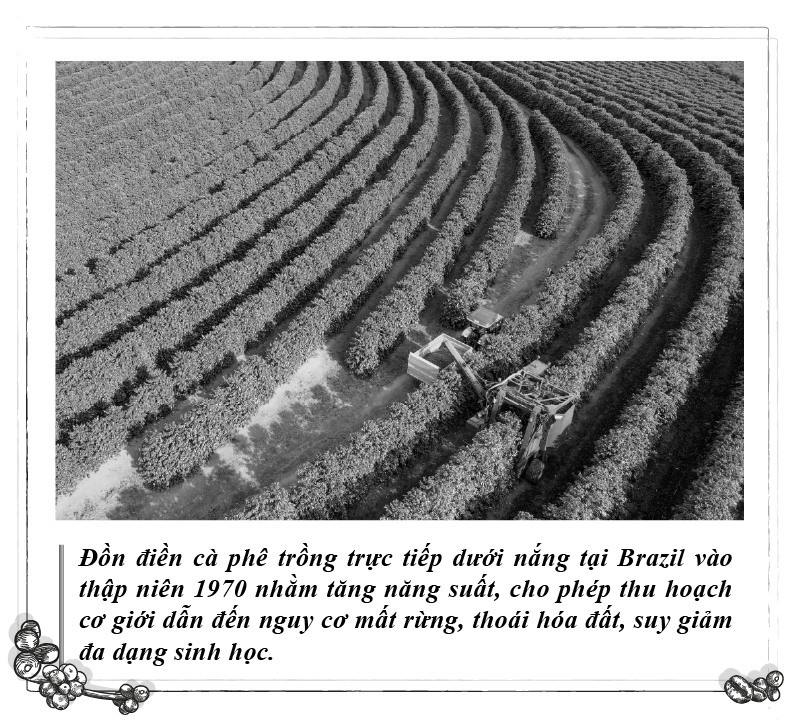
Sun-grown coffee plantations established in Brazil during the 1970s to boost yields and enable mechanized harvesting led to risks of deforestation, soil degradation, and loss of biodiversity.
Some scientists were quick to recognize the inevitable crisis brought about by industrialized agriculture. Among them, Ana Maria Primavesi (1920–2020), an agricultural scientist regarded as a pioneer of ecological agriculture in Brazil and Latin America, laid both the theoretical and practical foundations for sustainable farming, helping to advance the development of today’s ecological systems.
Born into a farming family in Austria, Primavesi learned the fundamentals of agriculture from her parents at an early age. During World War II, she was among the very few women who defied the prejudices of her time to pursue a degree in agronomy. In 1948, she emigrated to Brazil – a vast tropical nation entering its “Green Revolution” period. There, she began her scientific career and initiated what became known as the “ecological agriculture revolution” (agroecology).
Witnessing the overexploitation of Brazil’s fertile tropical soils under the Green Revolution, Primavesi developed the theory of ecological agriculture – grounded in respect for soil structure, natural ecosystems, and biodiversity. She revolutionized agricultural thought by “treating soil as a living organism,” emphasizing ecological sustainability, soil health, and the well-being of communities as the foundation of truly sustainable agriculture.
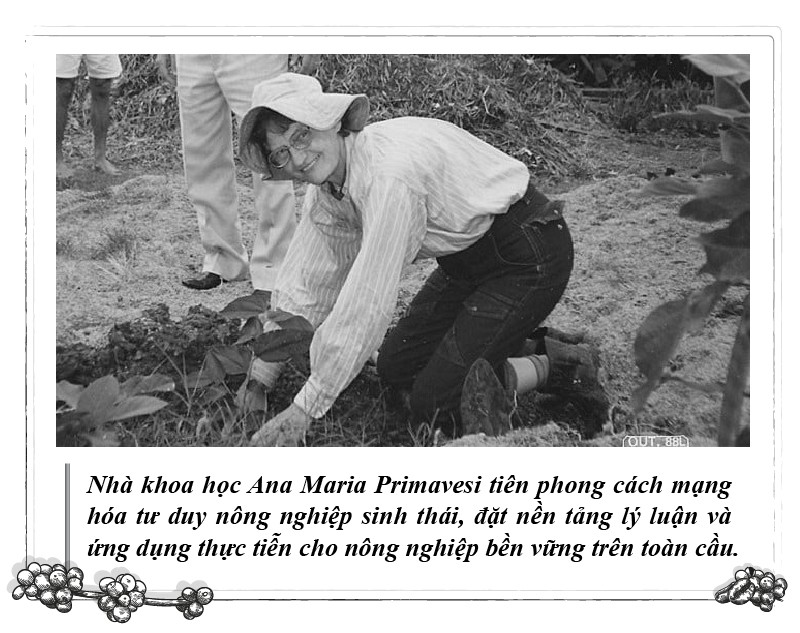
Scientist Ana Maria Primavesi pioneered a revolution in ecological agriculture thinking, establishing the theoretical foundation and practical applications for sustainable farming worldwide.
For Ana Maria Primavesi, ecological agriculture was not merely a “technique” of replacing chemical fertilizers with organic ones, it was a form of agriculture that placed life itself at the center. It meant caring for the soil as one cares for life; respecting, rather than confronting, natural ecosystems; and cultivating in harmony with nature. Agriculture, in this vision, was not only an economic activity but also a moral responsibility, deeply connected to food, health, and the future of humanity.
In the mid-20th century, such ideas were considered radical and even “unscientific” amid the surge of industrialized agriculture. Yet Primavesi persevered, conducting research, teaching her theories directly to farmers, and building institutions, training networks, and organic associations to promote and sustain large-scale ecological farming practices.
In her research, Primavesi proposed key farming principles grounded in soil science and ecological harmony: keeping soil continuously covered with vegetation, conserving natural ecosystems, diversifying crops, and minimizing chemical inputs and tillage.
She organized workshops, courses, and policy advocacy initiatives on ecological agriculture in São Paulo, Brazil’s economic and cultural hub and one of its oldest coffee-growing regions. The city’s cafés became informal spaces where Primavesi shared and debated ideas on ecological farming, connecting intellectuals, researchers, and policymakers.
From 1961 to 1974, while teaching at the Federal University of Santa Maria, Primavesi trained Brazil’s first generation of organic agriculture researchers and practitioners. Through ongoing discussions and exchanges between professors, students, and farmers – often held in local cafés – she synthesized these insights into comprehensive curricula, translating the principles of agroecology from the laboratory into real-world practice.
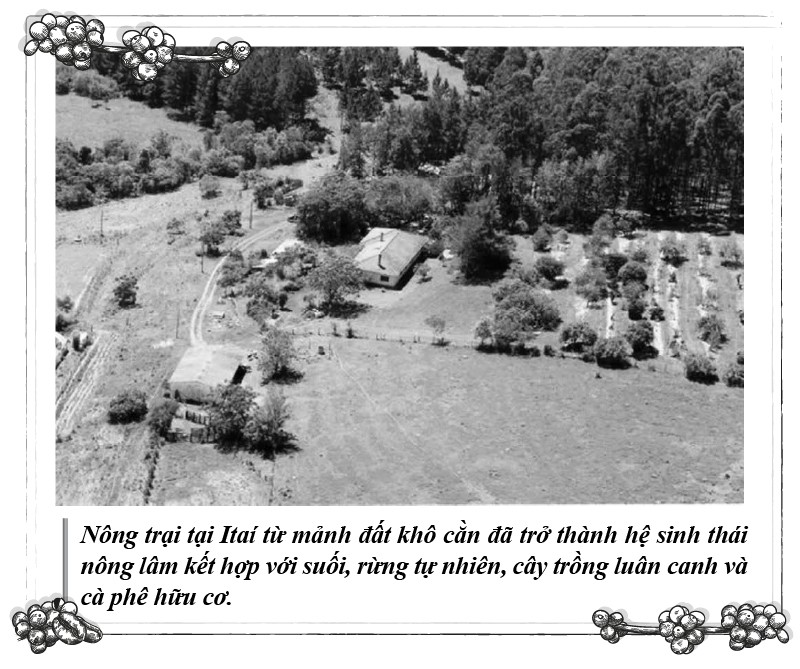
The farm in Itaí, once barren land, was transformed into an agroforestry ecosystem featuring natural streams, forests, crop rotation, and organic coffee cultivation.
Beyond her research, Ana Maria Primavesi lived and worked alongside farmers, directly guiding and practicing what she taught. On her farm in Itaí, São Paulo, where she lived and worked for over 30 years, Primavesi transformed a once barren, eroded, and waterless piece of land into a thriving agroforestry ecosystem—complete with natural springs, forests, and organic farming. She practiced crop rotation with corn, beans, and rice to restore soil health, alongside cultivating organic coffee.
In 1979, her seminal book “Manejo Ecológico do Solo” (Ecological Soil Management) was published, becoming a classic handbook for generations of farmers, scientists, and environmental activists. Translated into more than 20 languages, it remains a foundational text for anyone studying tropical soils and ecological agriculture. Primavesi was recognized by the Food and Agriculture Organization (FAO) of the United Nations and the international community as one of the pioneering voices of global agroecology.
Ecological Agriculture Principles in the Coffee Industry Toward a Sustainable Future
Developed and refined in Brazil, Ana Maria Primavesi’s principles of ecological agriculture have had a profound influence not only on crop production but also on their practical application within the coffee industry. In 1970, she published the study “Café Orgânico” (Organic Coffee), which provided cultivation techniques aimed at improving coffee quality while fostering what she called an “ecological coffee culture.” This approach emphasized more than just producing high-quality coffee beans – it also focused on the revitalization of local ecosystems, bringing tangible benefits to communities through a cleaner environment and sustainable production models.
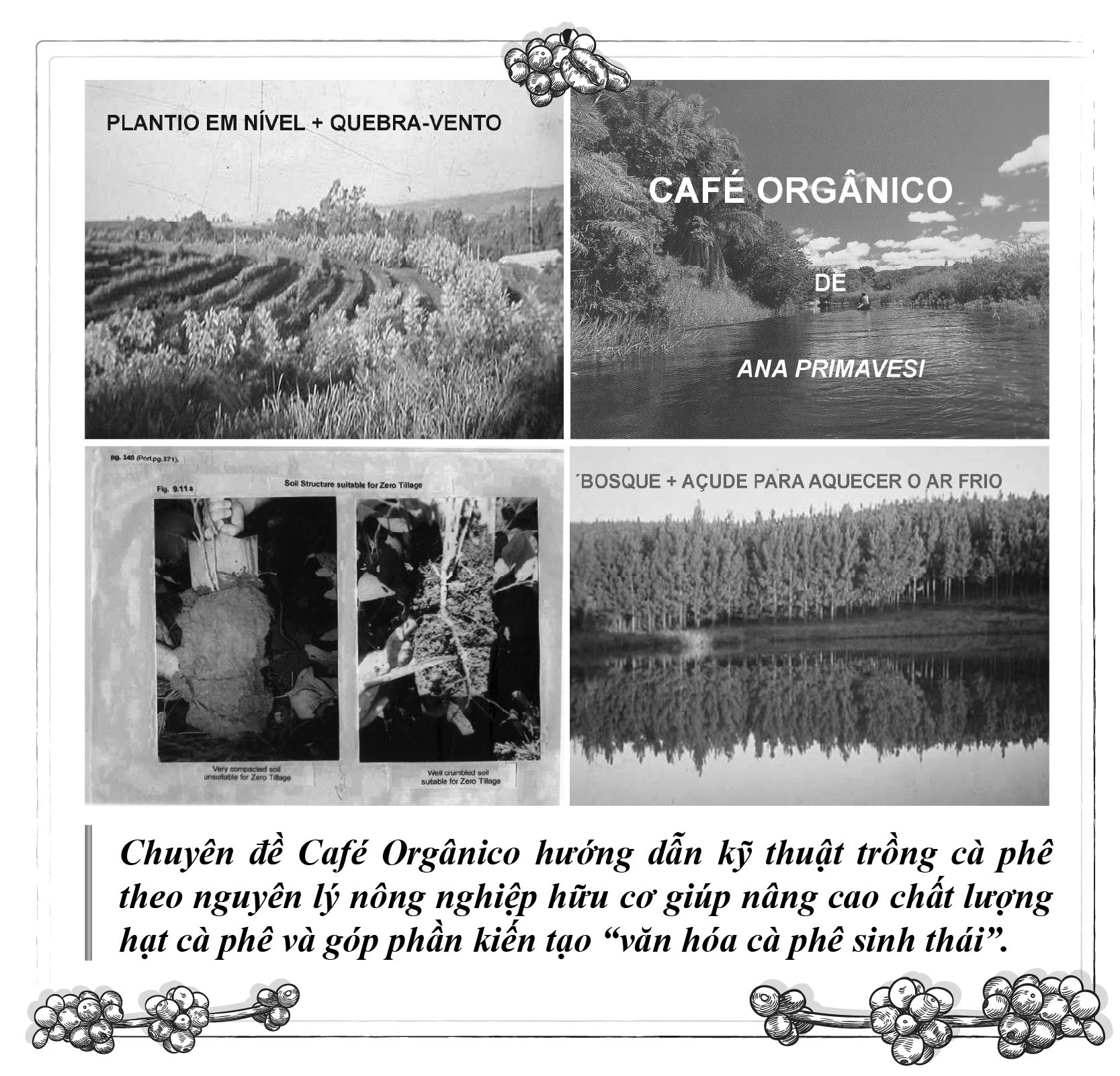
The study “Café Orgânico” introduced coffee cultivation techniques based on organic farming principles, helping to enhance coffee bean quality while contributing to the creation of an “ecological coffee culture.”
Ana Maria Primavesi’s principles of crop diversity, shade management, and nutrient regeneration cycles not only protect the soil but also safeguard broader ecosystems and the livelihoods of farmers. These scientific foundations have become the theoretical basis for developing agroforestry, organic farming, and regenerative agriculture models within the coffee industry. They also laid the groundwork for sustainable coffee production systems and the creation of certification standards such as Rainforest Alliance, Fair Trade, UTZ Certified, and Organic Coffee.
Throughout world history, coffee has been a remarkable beverage, a catalyst for countless ideas, inventions, and innovations. It helped establish spaces for free social exchange and became a source of awakening and creativity during the Enlightenment, the Industrial Revolution, and the Scientific Revolution. Coffee continues to be a unifying energy that bridges cultures and civilizations, bringing together people of all ages, genders, religions, nationalities, and political ideologies under a shared global passion.
As the global economy transitions toward a green and creative model – where innovation and sustainability are core values – coffee stands as a central connective energy. When cultivated in harmony with the environment, it becomes a sustainable source of energy that mitigates ecological imbalance, curbs speculation and unfair trade, and pioneers a sustainable future for communities. Primavesi’s ecological agriculture philosophy – placing “life at the center” – thus provides a foundational framework for the sustainable development of the coffee industry. It serves as a model for promoting a lifestyle of balance and harmony between humanity and nature.
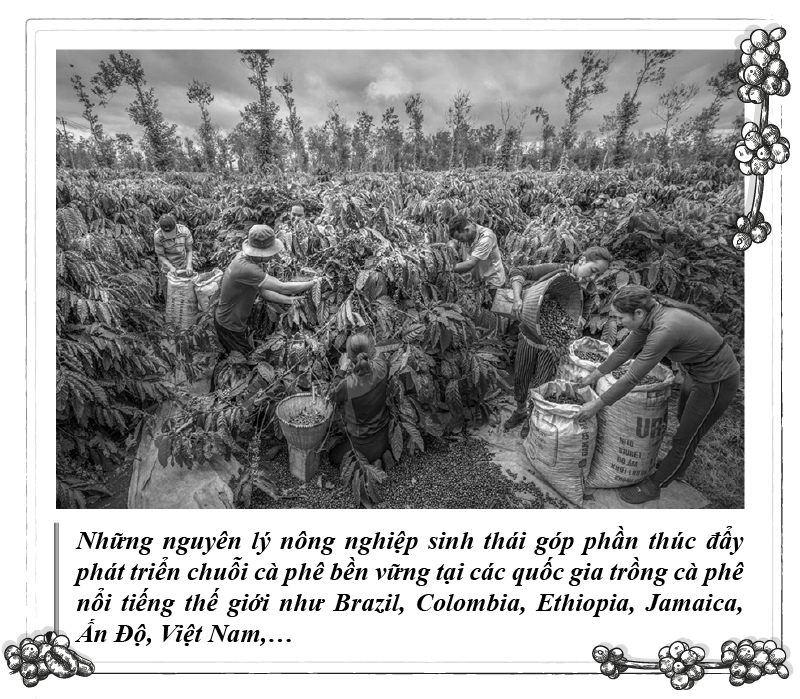
The principles of ecological agriculture have helped promote the development of sustainable coffee value chains in some of the world’s most renowned coffee-producing countries, including Brazil, Colombia, Ethiopia, Jamaica, India, and Vietnam.
To date, agroforestry models based on the principles of ecological agriculture in Brazil have contributed to reducing carbon emissions, improving soil fertility, enhancing ecosystem efficiency, and increasing productivity. In Colombia, the Cenicafé program focuses on developing pest-resistant coffee varieties, promoting low-chemical cultivation areas, and supporting transitions toward Rainforest Alliance standards. Ethiopia has advanced its “forest coffee” model, cultivating naturally grown coffee under forest canopies – preserving biodiversity while maintaining local traditions. In India, the promotion of shade-grown coffee regions allows coffee plants to coexist harmoniously with forest ecosystems, supporting biodiversity and mitigating climate change.
Coffee has long played a multifaceted role in shaping livelihoods, ecological landscapes, and the economic, cultural, and social life of nations and regions around the world. In the face of global crises, Ana Maria Primavesi’s life-centered ecological agriculture philosophy serves not only as a foundation for sustainable coffee farming but also as a vision for positioning coffee as a pioneering model of harmony and sustainability for communities worldwide.
In Vietnam, numerous initiatives and activities promoting sustainable coffee production and cultivation standards have been implemented through the joint efforts of the government, local authorities, organizations, and enterprises. A notable example is the initiative “Holistic and Integrated Circular Coffee Production Chain”, one of the “Seven Initiatives for the Global Coffee Industry” proposed by Đặng Lê Nguyên Vũ, Founder and Chairman of Trung Nguyên Legend Group, at the World Economic Forum in 2012. This initiative envisions a closed-loop coffee production system—organized circularly, generating no harmful waste, optimizing resources at every stage of production, and fostering research, development, application, and commercialization of coffee-based products. It is now being actively implemented through collaborative efforts between local governments and enterprises.

Miss Tiểu Vy and runner-up Kim Duyên experienced Coffee Meditation—a core ritual and foundational practice of Coffee Tao, the Coffee Lifestyle, a way of living that cultivates holistic, harmonious, and sustainable prosperity.
Always at the forefront of undertaking comprehensive and holistic strategic missions, Trung Nguyên Legend continues to realize the “Seven Initiatives for the Global Coffee Industry,” contributing to the sustainable development of the coffee sector and the prosperity of related communities. In particular, through its efforts to build a comprehensive coffee ecosystem – encompassing products, models, and projects grounded in the core values of coffee – Trung Nguyên Legend has pioneered the philosophy of Coffee Tao, enlightened and created by its Founder and Chairman, Đặng Lê Nguyên Vũ. Aiming to cultivate mindfulness in the present and awareness of one’s purpose in relation to the community, the principles of Harmony – Respect – Purity – Calmness – Accountability & Nurturing in Coffee Tao represent a humanistic and compassionate way of living. This philosophy fosters harmony between people and nature, opening a sustainable and prosperous future for humankind.
Coming up: Coffee Tourism from the Perspective of Capitalization and Circularity